“The best time to visit Ireland is when you can go.” That’s true, but it isn’t the whole story. The season you choose genuinely changes the experience, from how long the days are to how many people you share the Cliffs of Moher with. Knowing the trade-offs lets you make a better decision, so here’s the honest, month-by-month picture for a first visit.
Touristy Ireland Tips
Best Time to Visit Ireland: An Honest Month-by-Month Guide for First-Timers
When is the best time to visit Ireland? Every season has trade-offs. Here’s the honest guide to crowds, weather, and what nobody tells you.
- 5 Minutes Read
- Tips
- By admin
- Published June 7, 2026
Article Overview


Ready, Set, Explore! (I mean read!)
Summer (June to August): Long Days, Big Crowds
Summer is the most popular time to visit Ireland, and for good reason. The days are extraordinarily long, with light until nearly 10pm in June. Temperatures are mild at 18 to 22°C (64 to 72°F), and every attraction is open and running full hours.
The downside is crowds. Kilmainham Gaol, the Cliffs of Moher, the Giant’s Causeway, and the Guinness Storehouse all hit peak capacity, and accommodation prices are at their highest. Book everything six to eight weeks ahead at minimum, because private tours fill up too.
Local Tip: If you’re set on summer, lock in your guide and your key timed attractions early, then keep the rest of each day flexible so you can dodge the busiest spots at their worst hours.
Explore more: a flexible summer city day that works around the crowds (Touristy listing suggestion: private Dublin city tour with early-morning attraction timing).
Shoulder Season (Spring and Autumn): The Sweet Spot
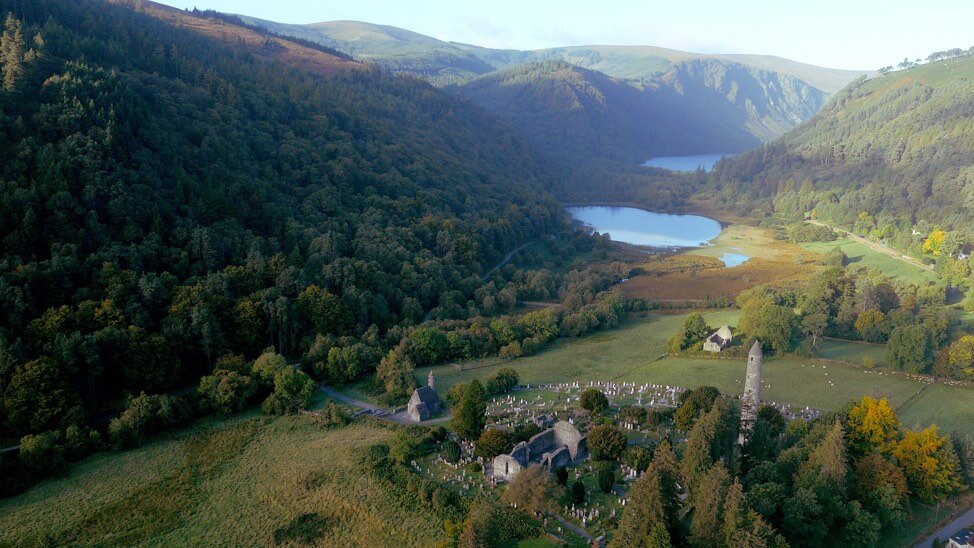
For most visitors, this is the real sweet spot. April and May bring daffodils, green countryside, and manageable crowds, with nearly everything fully open. September and October deliver harvest colours, often-dry days, and a Wicklow landscape that looks spectacular.
Accommodation and tour availability are far easier and often better priced, and private guides have more flexibility to run extended or customised routes. If you’re a couple or a family who wants the magic without the madness, this is the time to come.
Good to Know: Shoulder-season weather is a gamble in the best way. You might get a run of glorious days or a soft, misty week. Pack for both and you’ll be fine.
Explore more: an unhurried countryside day at its quietest (Touristy listing suggestion: private Wicklow and Glendalough tour from Dublin).
Winter (November to March): Authentic and Uncrowded
Winter means dramatically fewer tourists, and some attractions feel almost private. The trade-off is short days, dark by about 4:30pm in December, along with reduced hours or closures at some rural sites.
But the upside is real. Dublin’s pubs and restaurants are at their most authentic, prices are lowest, and guides are fully available. Christmas in Dublin is genuinely charming, with lights, markets, and a cosy atmosphere. Winter is ideal for history-focused, mostly indoor touring, with Kilmainham, the 1916 sites, and Glasnevin Cemetery all shining in the off-season.
Explore more: a history-rich winter day kept mostly indoors (Touristy listing suggestion: private 1916 Rebellion and Kilmainham tour).
The Irish Weather Reality
Ireland has a temperate maritime climate, which means rain is always possible, but rarely as dramatic as visitors fear. Dublin’s annual rainfall is about 700mm, similar to London and less than many US east-coast cities. The west coast, taking in the Cliffs of Moher, Galway, and Kerry, gets noticeably more rain than Dublin.
The key is layering, not avoiding. A good waterproof jacket transforms a grey Irish day, and a private guide will adapt the route around the weather in real time, which is one of the most valuable things they do.
Events Worth Planning Around
St Patrick’s Day (17 March): Dublin’s festival is genuine and atmospheric, but book everything months ahead, because accommodation can double in price. Bloomsday (16 June): a niche but wonderful James Joyce literary festival across Dublin. Fleadh Cheoil (August, location varies): Ireland’s biggest traditional music festival. Dublin Horse Show (August): a treat for anyone with an interest in equestrian sport.
Good to Know: Cruise season runs from May to October and noticeably increases crowds at major Dublin attractions. If you’re visiting then, an early start matters more than ever.
So, When Should You Go?
If you can choose freely, aim for shoulder season, in late spring or early autumn, for the best balance of weather, daylight, open attractions, and breathing room. But honestly, with the right plan and the right guide, any season in Ireland can be the right one.
Image credits: Photography courtesy of Tourism Ireland and Fáilte Ireland, sourced via Ireland’s Content Pool.
Plan Your Trip With a Local
Whatever season you choose, the experience is shaped by who shows you the country. A Touristy private guide adapts to the time of year, chasing the long summer light, finding the quiet shoulder-season corners, or keeping winter days warm and history-rich. Start with a private Dublin tour or tell us your dates and we’ll build around them. Get in touch to plan your perfect Irish trip.
Amazing things you didn't know about Ireland
Dive into our wealth of tips and insider recommendations – click here to get inspired and read the best of what Ireland has to offer.


We had a lovely day exploring Newgrange and the Hill of Slaine with Noel yesterday. Highly recommend! Noel and Touristy were a pleasure to work with. Especially enjoyed touring the monastery ruins at the Hill of Slain, we had the place all to ourselves."
Blakely Meyers
"Alan Bradley From Touristy Ireland was my tourist guide and taxi driver. Made getting around so much easier to use taxi lanes and parking places. I saw all the highlights and visited so many places in an 8 hour span. Really felt like I got to know and experience Dublin. Alan is extremely knowledgeable about Ireland’s history and the people that formed Ireland. I highly recommend him to be your friendly and knowledgeable Irish Tour Guide!!"
Eur0peanAdventure
"Noel was a fantastic guide for our tour of Dublin. He took the time to keep us out of the tourist traps to get a real feel of Dublin. Thanks Noel."
Jim Kellner
"Touristy is incredible. They worked with us on a tour package that fit our schedule and budget, pairing us with one of their experienced guides, Noel. He helped us navigate a comprehensive and complicated agenda in the city, as well as the western portion of Ireland. Full and unreserved recommendation of Touristy and staff!"
John Watson
"Miriam was a lovely host! I had one teenager and two sons in their early 20s and they all so enjoyed her tour and company! She was so easy to talk to and very accommodating. Please tell her you want ice cream from Storm in a Tea Cup! It was amazing!!"
Kathleen Speicher
"Miriam was extremely friendly, professional and gave us excellent service. She was very hospitable, accommodating and anticipated our needs and helped draw out what we wanted. She created a tailor made experience based on our preferences. Our trip was paired with a unique local experience and her in depth insight into the local culture and community."
Sonya Young
"Noel was a fantastic tour guide. Incredibly knowledgeable and kind, we felt we got a true local look behind the scenes."
Captain Cove